

VETERINARY SCIENCE
VETERINARY SCIENCE
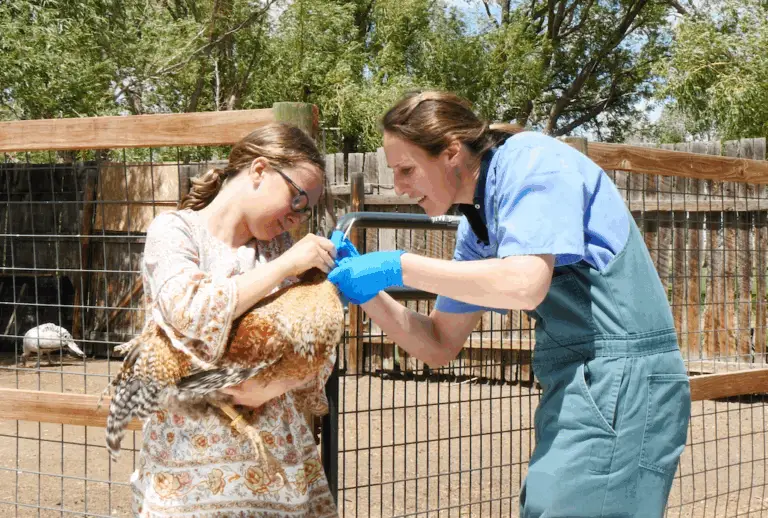
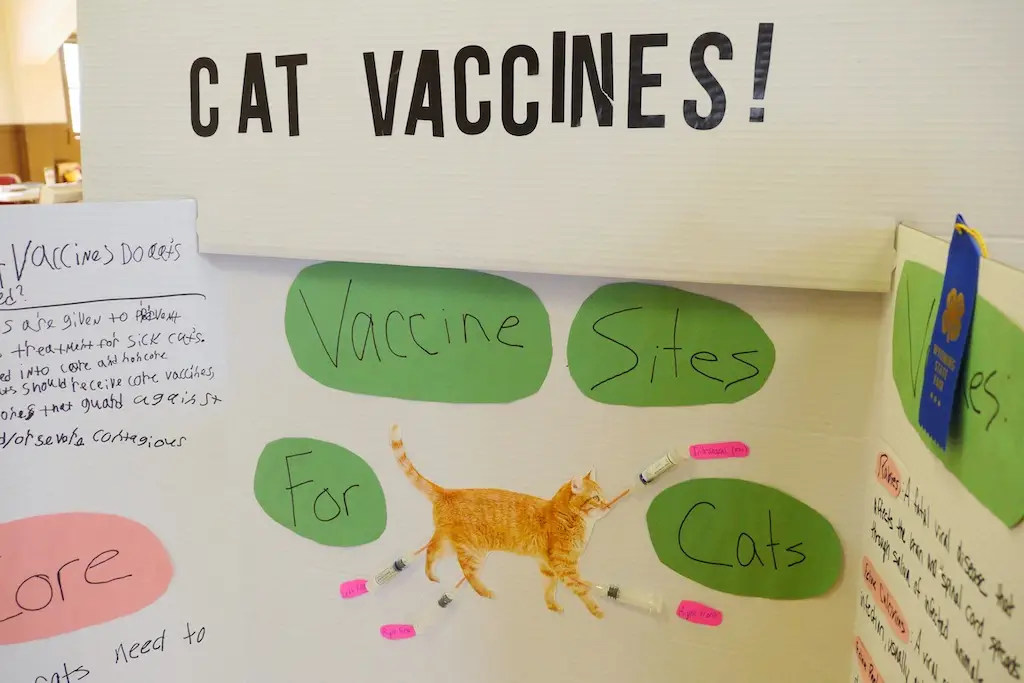
A natural compassion for animals and an interest in science is what leads most veterinarians into their field. Learn the role a veterinarian plays in practicing animal and public health while participating in many hands-on activities. These activities will help you learn about the different equipment used by veterinarians, diseases, health problems, and career opportunities as a veterinarian or volunteer. You do not have to own an animal to be in this project.
What can you Learn?
- Recognize major breeds of different species of animals
- Identify basic needs of animals Investigate the different roles of animals
- Describe different stages of an animals’ life
- Discover body systems and organs
- Investigate animal behavior
- Explore nutrient groups and their function
- Learn to calculate medical dosages
- Explore the roles of a vet and the tools they use
Veterinary science Guidebook
- Shop 4-H: Veterinary Science Curriculum
- From Airedales to Zebras (08048)
- All Systems Go (08049)
- On the Cutting Edge (08050)
- Veterinary Science Helper’s Guide (08051)
- Veterinary Science 1: Animal Behavior (08744 DD)
- Veterinary Science 2: Animal Vital Signs (08745 DD)
- Veterinary Science 3: Disease Transmission (08746 DD)
- Veterinary Science 4: Principals of Biosecurity (08747 DD)
- Veterinary Science 5: Advanced Concepts in Animal Care (08748 DD)
Contact Us
Wyoming 4-H
College of Agriculture, Life Sciences & Natural Resources
Room 112
1000 E. University Ave
Laramie, WY 82071
Dept. 3354
Email: 4h@uwyo.edu
Phone: (307) 766-5170

The University of Wyoming has earned its Research Level 1 (R1) status from the Carnegie Classification of Institutions of Higher Education, placing Wyoming’s only four-year university in the rarefied air of the top research universities in the United States.