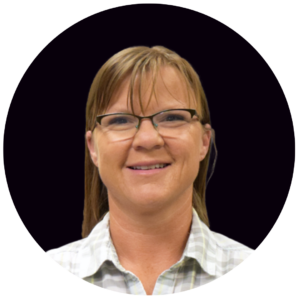
We asked each one of our presenters a series of questions
Below are Dr. Whitman’s answers:
Q. What is the highlight of your career?
Answer:
Now I get to work all over the state of Colorado with not only animal owners and producers, but extension specialists, other veterinarians, students, and livestock industry professionals.
Q. What are challenges you encounter in your career?
Answer:
I don’t know all the answers! The biggest thing I’ve had to learn and apply is reaching out to others who know more than I do, that way I can continue to help people in the best way possible
Q. How did you get to this career?
Answer:
I was raised on a small livestock operation and participated in 4-H throughout my youth. I love agriculture and the livestock industry, and becoming a veterinarian was the best way I saw to impact those fields.
Q. What is something unique about your career most people might not know or understand about what you do?
Answer:
Being a veterinarian has unlimited possibilities for career choices. In my case, I have been in private practice for someone else, and then owned my own practice; I’ve gotten to work on research facilities and teach in veterinary schools. That’s just a few career opportunities I’ve chosen, and there’s so many more. Veterinary medicine touches all areas of life, in places you wouldn’t even think.
Q. Are there scholarship or internship opportunities available with your career? If so, where can more information about those be found?
Answer:
At minimum, there are two years of pre-requisite courses that are required before applying to veterinary school. Most people get a bachelor’s (4 year degree) and may get a Master’s degree (1-2 year degree). Veterinary school is 4 years, and after that, you are qualified to practice. If there is a specialty, such as Surgery or Anesthesia, then an additional 1 year internship and 3 year residency are required.